In this article
President Bola Tinubu has officially launched his 2027 re-election campaign, promising economic recovery and better opportunities for Nigerians. However, rising living costs, expensive petrol and persistent insecurity could test his administration’s support as the presidential election approaches.
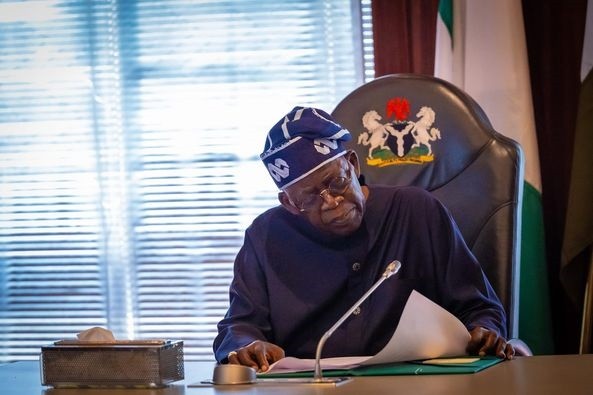
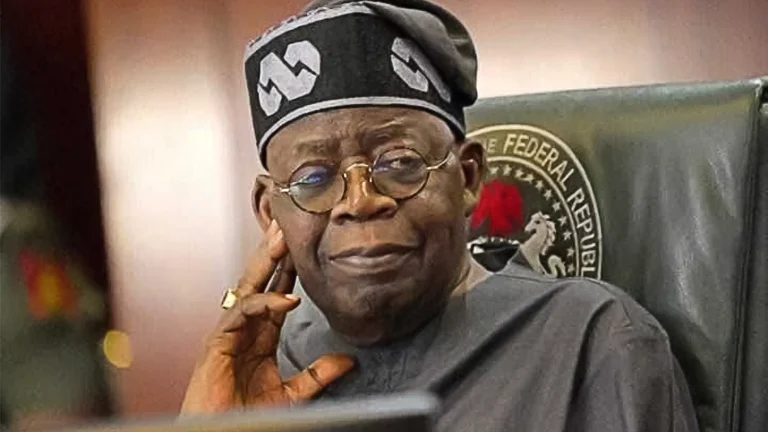
President Bola Ahmed Tinubu has begun his campaign for a second presidential term, setting the stage for a contest expected to focus heavily on the economy, security and the living conditions of ordinary Nigerians.
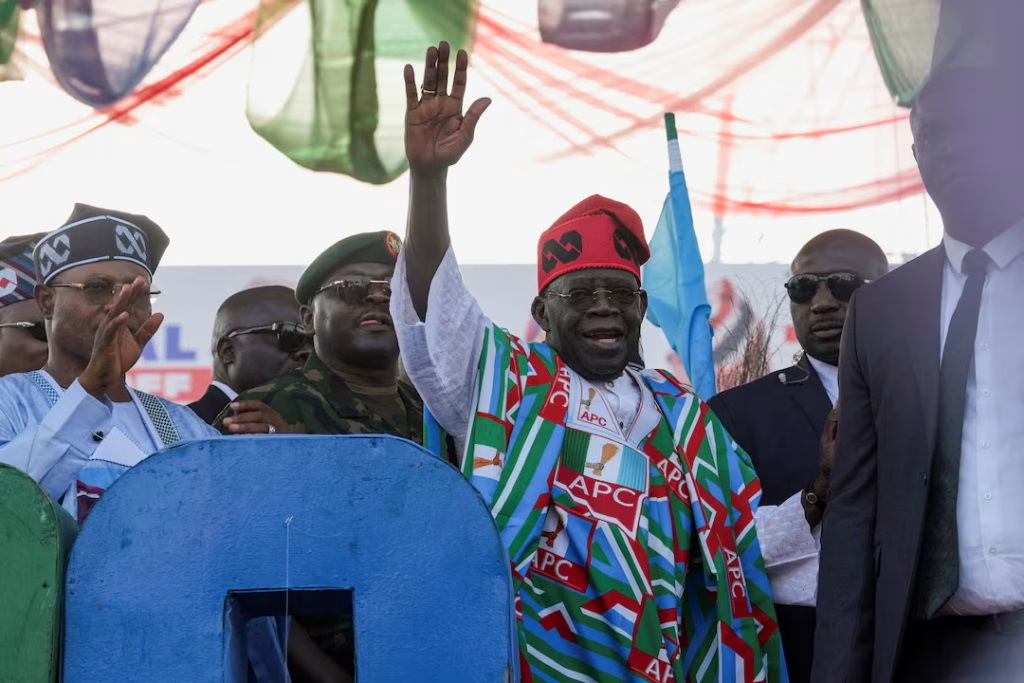
Tinubu launched the All Progressives Congress (APC) presidential campaign in Kaduna on Saturday, October 24, 2026, urging voters to give him another four years in office.
The campaign comes amid public frustration over the cost of living, with many households still struggling to afford food, transportation and other essential needs.
Although the administration says its economic reforms are beginning to deliver results, the central question facing the president is whether those gains will be felt by enough Nigerians to sustain support for his re-election bid.
Tinubu Defends Economic Reforms
Speaking at the campaign rally, Tinubu defended his administration’s economic policies and promised continued progress if re-elected.
Since taking office in May 2023, his government has removed the long-standing petrol subsidy and introduced foreign exchange reforms aimed at improving public finances and stabilising the economy.
Supporters of the reforms argue that they were necessary to address structural weaknesses, reduce government spending pressures and improve investor confidence.
Reuters reported that the measures have contributed to improvements in public finances, foreign reserves and investor sentiment.
However, the reforms have also contributed to significant financial pressure on households, particularly through higher fuel and transportation costs.
At the Kaduna rally, Tinubu rejected criticism from opposition politicians over hunger and poverty, arguing that previous administrations and his political opponents were responsible for creating the problems his government is trying to address.
His remarks have placed the economy firmly at the centre of the emerging 2027 campaign debate.
Petrol Prices and Cost of Living Remain Major Concerns
One of the biggest challenges facing the president is the continued pressure on household budgets.
According to Reuters, petrol prices reached approximately ₦1,400 per litre in Lagos and Abuja in September, with prices rising to around ₦1,500 in parts of northern Nigeria.
Higher fuel prices have increased transportation costs and added pressure to the prices of goods and services.
For many households, the impact extends beyond petrol purchases. Food, rent, school expenses and healthcare remain important considerations when voters assess the government’s performance.
The government must therefore convince Nigerians that the economic adjustments will translate into more affordable living conditions, better opportunities and improved purchasing power.
The challenge is not only to demonstrate improvements in economic indicators but also to show how those improvements affect everyday life.
Insecurity Could Also Shape the 2027 Election
Beyond the economy, security remains another major issue for the Tinubu administration.
Parts of northwestern Nigeria continue to face kidnapping and armed banditry, while communities in the northeast remain affected by the long-running insurgency involving extremist groups.
These challenges have raised concerns about public safety, farming, trade and the ability of residents to go about their daily activities without fear.
As the campaign progresses, voters are likely to scrutinise the government’s record on tackling violent crime, protecting vulnerable communities and strengthening the security agencies.
The president’s ability to demonstrate measurable improvements in security could become an important part of his re-election argument.
Atiku and Obi Remain Key Opposition Figures
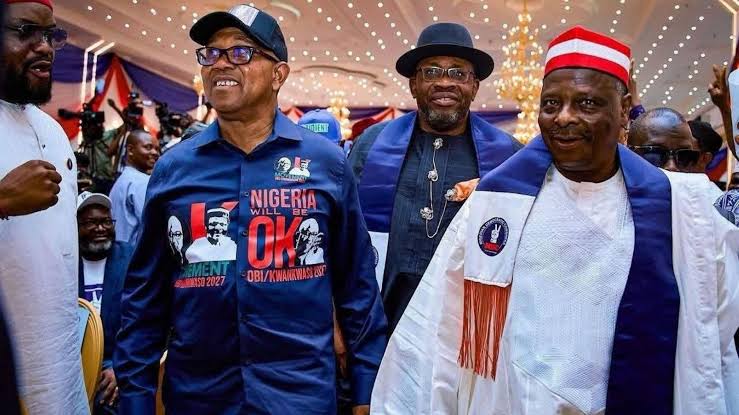
Tinubu’s re-election bid is also expected to face competition from prominent opposition figures, including former Vice President Atiku Abubakar and Peter Obi, who finished second and third respectively in the 2023 presidential election.
Both politicians have political followings that could challenge the ruling party, particularly among voters dissatisfied with economic hardship and insecurity.
However, the opposition’s ability to translate public dissatisfaction into electoral gains will depend partly on its organisation, candidate support and ability to present a convincing alternative.
The opposition landscape has also experienced divisions, which could complicate efforts to consolidate voters behind a single challenger.
For the APC, its political network and organisational strength could be significant advantages. Nevertheless, political endorsements and rally attendance do not automatically translate into votes on election day.
Can Economic Hardship Affect Tinubu’s Re-Election Chances?
The answer will depend partly on whether Nigerians believe their economic circumstances are improving and whether they trust the administration’s promises for the next four years.
Tinubu’s campaign is built around the argument that his reforms are laying the foundation for economic recovery and future prosperity.
His critics, meanwhile, argue that the hardship associated with those policies has placed too much pressure on citizens and that the government must do more to improve living conditions.
Both arguments are likely to feature prominently in the campaign.
For voters, the most immediate considerations may include the price of food, transportation costs, employment opportunities, household income and personal security.
If the administration can demonstrate tangible improvements in these areas before the election, it may strengthen its case for another term. If hardship persists without clear relief, dissatisfaction could remain a major challenge for the ruling party.
These are possible electoral factors, not a prediction of the election outcome.
What Happens Next?
Tinubu’s Kaduna rally marks the beginning of a crucial period for the APC as it seeks to defend its position ahead of the January 2027 presidential election.
Reuters reported that the president’s proposed campaign schedule includes rallies in 12 states, with the final major rally planned for Lagos on January 9.
The coming months will provide opportunities for the government to explain its economic programme, highlight its achievements and respond to criticism from opposition parties.
Opposition candidates will also have to demonstrate how their proposed policies would address the same economic and security challenges.
Ultimately, the election debate is likely to revolve around a fundamental question: are Nigerians better off under the current administration, and do they believe the government’s plans offer a credible path to improvement?
For Tinubu, the challenge is to turn promises of economic recovery into improvements that citizens can see and feel. Whether that will be enough to sustain support for a second term remains one of the central questions of the 2027 election.