
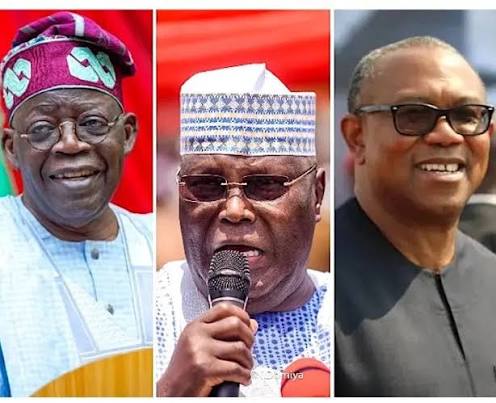
Nigeria’s opposition political leaders are expected to converge in Abuja today for a crucial meeting aimed at strengthening cooperation and exploring strategies ahead of the 2027 general election.
The gathering comes amid growing calls for opposition parties and political leaders to build a united front capable of mounting a strong challenge against President Bola Ahmed Tinubu and the ruling All Progressives Congress (APC) in the next presidential election.
The planned summit is expected to bring together prominent opposition figures, party leaders and key political stakeholders for discussions centred on coalition-building, electoral strategy and the possibility of presenting a formidable alternative to the APC.
Political observers believe the meeting could prove significant as opposition parties continue to face concerns over fragmentation, competing ambitions and the absence of a coordinated platform ahead of the 2027 polls.
Push for a United Opposition
One of the major issues expected to dominate discussions is the need for opposition parties to avoid the divisions that characterised previous elections.
In the 2023 presidential election, the opposition vote was largely divided among several major candidates and political parties, allowing the APC to secure victory.
With the 2027 election drawing closer, there have been increasing calls for leading opposition figures to put aside personal ambitions and work towards a common political objective.
The Abuja summit is therefore expected to examine possible areas of cooperation, including the formation of alliances, consensus arrangements and the development of a united political strategy.
Tinubu, APC Prepare for 2027
Meanwhile, the ruling APC has continued to consolidate its political structures across the country as preparations gradually begin for the next election cycle.
President Tinubu has repeatedly expressed confidence in his administration’s economic reforms and governance agenda, while supporters of the President insist that the APC remains well positioned to retain power in 2027.
However, opposition leaders are expected to use the Abuja meeting to assess the political climate, public concerns and areas where they believe the ruling party could face significant challenges.
Issues such as the economy, rising cost of living, insecurity, unemployment and public dissatisfaction are expected to feature prominently in discussions.
Battle Against Political Fragmentation
A major challenge facing Nigeria’s opposition remains the difficulty of bringing influential political figures under one platform.
Several potential presidential contenders are believed to be nursing ambitions for the 2027 election, raising questions about whether opposition leaders can successfully agree on a consensus candidate.
Analysts say a coalition without a clear structure, shared ideology and agreed leadership could struggle to pose a serious challenge to the APC.
The success of today’s meeting may therefore depend largely on the willingness of political leaders to prioritise collective interests over individual ambitions.
All Eyes on Abuja
As political activities begin to gather momentum ahead of 2027, attention will be focused on the outcome of the Abuja summit and whether it produces concrete decisions on a possible opposition alliance.
While it remains unclear whether the meeting will immediately lead to the formation of a coalition, political watchers believe it could mark an important step in shaping the battle for Nigeria’s presidency.
With the APC expected to mount a strong campaign to retain power, opposition leaders face increasing pressure to close ranks and build a united movement capable of challenging President Tinubu in what is already shaping up to be a fiercely contested 2027 general election.
About the Author