
Nigeria’s petrol crisis has intensified, with pump prices climbing to as high as ₦1,500 per litre in parts of the country, while organised labour and opposition politicians mount fresh pressure on the Federal Government to cushion the impact on households.
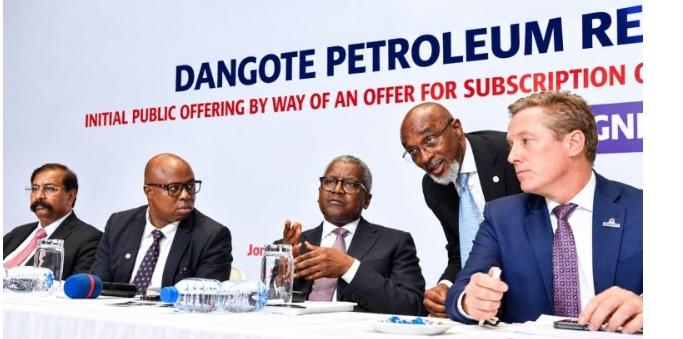
The latest price increases followed another upward adjustment in the ex-depot price of Premium Motor Spirit (PMS) by the Dangote Petroleum Refinery. The refinery raised its gantry price by ₦85, from ₦1,265 to ₦1,350 per litre, marking its fourth upward adjustment since August 21.
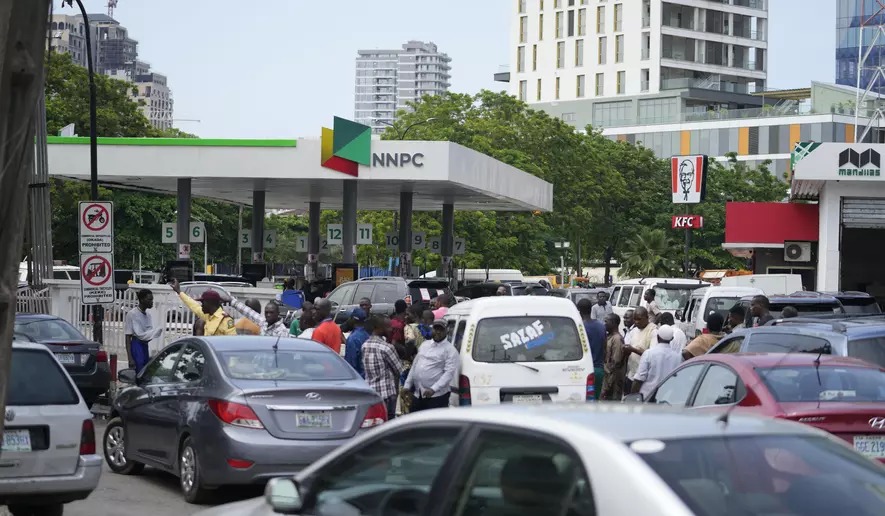
Across major cities, petrol prices are now varying significantly depending on location and marketer. Reports put prices around ₦1,400 in parts of Lagos, ₦1,430–₦1,450 in Abuja, and up to ₦1,470 in Kano, while some locations in Delta State have recorded prices as high as ₦1,500 per litre.
The development has triggered fresh concerns over transportation costs, food prices and the purchasing power of Nigerian households.
NLC Demands Urgent Government Intervention
The Nigeria Labour Congress (NLC), through its President, Joe Ajaero, has expressed concern over the impact of the latest fuel price surge and called for immediate intervention.
The labour centre is demanding wage awards for workers, adequate crude oil supply to local refineries in naira and an expansion of the country’s petroleum storage capacity.
Ajaero argued that the impact of rising petrol prices extends far beyond the filling station, as higher transportation and logistics costs are likely to affect food, school fees, rent and other essential services.
The NLC also argued that Nigeria, as a major oil-producing country with growing domestic refining capacity, should have mechanisms capable of shielding consumers from sudden international oil-price shocks.
Ajaero said there was nothing inherently wrong with government intervention during an emergency, calling for temporary measures to protect households from the latest price shock.
Why Are Fuel Prices Rising?
The latest increase is coming amid renewed volatility in the international oil market.
Brent crude has risen above $100 per barrel, with THISDAY reporting prices above $107 amid heightened tensions in the Middle East and concerns over disruptions around the Strait of Hormuz.
Higher crude prices increase the cost of refining and importing petroleum products, putting pressure on the domestic supply chain. Marketers have subsequently adjusted pump prices to reflect higher acquisition costs.
The Dangote refinery’s latest adjustment has therefore translated into higher prices across several retail outlets.
Opposition Demands Answers From Tinubu
The price surge has also become a political flashpoint.
Former Vice President and ADC presidential candidate Atiku Abubakar questioned why Nigerians are paying as much as ₦1,470 per litre while crude oil was trading around $102.52 per barrel.
Atiku called for greater transparency over oil revenues, Federation Account deductions and the savings associated with the removal of the petrol subsidy. These are Atiku’s political claims and demands, rather than independently established findings.
The ADC separately warned that petrol prices reaching ₦1,470 per litre were worsening pressure on households and businesses, citing increased transportation, food, electricity and education costs.
Another opposition figure, SDP presidential candidate Adewole Adebayo, projected that petrol could eventually reach ₦5,000 per litre if current economic policies continue. That figure is his political forecast, not an established projection by the government or an independent economic authority.
Nigerians Feel the Pressure
The immediate impact is being felt by motorists and commuters.
In parts of Lagos, petrol prices have reached about ₦1,400 per litre, while transport operators have reportedly increased fares on some major routes. In Kano, prices have climbed to between ₦1,450 and ₦1,470, with reports that some residents have resorted to trekking rather than pay higher transport fares.
The NLC has warned that the consequences could spread through the wider economy as transportation and distribution costs feed into the prices of goods and services.
For millions of Nigerians already dealing with elevated living costs, the latest petrol increase represents another squeeze on household budgets.
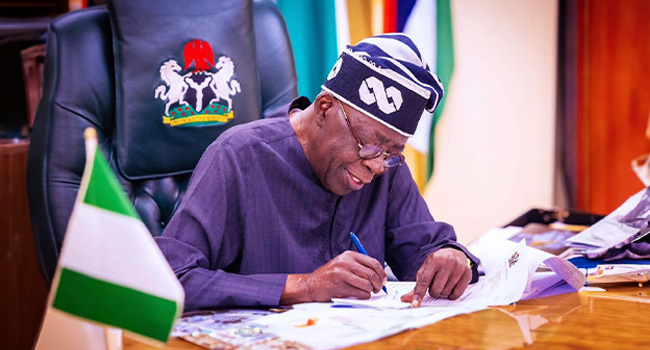
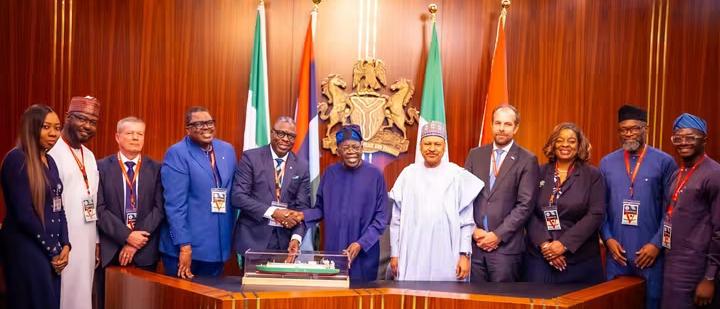
With labour demanding emergency relief and opposition parties demanding greater accountability over the government’s handling of oil revenues and subsidy savings, pressure is mounting on the Tinubu administration to respond to the latest fuel-price shock.
The immediate question now is whether the Federal Government will introduce measures to cushion consumers or allow market-driven pricing to continue absorbing the impact of higher global crude prices.
About the Author