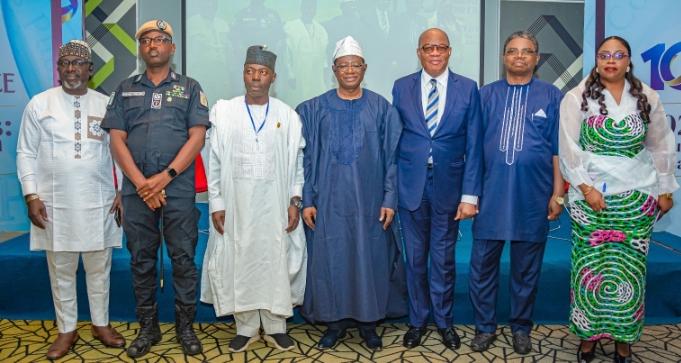
The Guild of Corporate Online Publishers (GOCOP) has urged the Independent National Electoral Commission (INEC) to strengthen transparency and public confidence as Nigeria prepares for the 2027 general elections.
GOCOP President, Danlami Nmodu, made the call on Thursday, October 8, at the guild’s 10th Annual Conference in Lagos, themed “2027 Elections: Trust, Transparency and Shared Responsibilities.”
Nmodu said credible elections require cooperation among INEC, political parties, the government, the media and citizens. He also urged journalists to report facts fairly and hold both the government and opposition accountable.
The appeal comes as INEC intensifies preparations for the 2027 polls, with the commission reporting that Nigeria’s voter register has reached approximately 103 million following the completion of three phases of continuous voter registration.
GOCOP: Credible Elections Require Shared Responsibility
Nmodu said no single institution could guarantee credible elections without the cooperation of other stakeholders.
He urged politicians to prioritise Nigerians’ welfare and called on journalists to maintain fairness, accuracy and balance in their coverage of political developments.
According to him, the media must scrutinise both those in government and opposition parties rather than favouring one side.
The GOCOP president also called on the government to address insecurity, promote peace and create conditions that support economic activity and investment.
He stressed the need for stronger cooperation between the government, GOCOP and the wider media industry to protect journalists and strengthen credible reporting.
INEC Reports 103 Million Registered Voters
In his keynote address, INEC Chairman, Professor Joash Amupitan, represented by Lagos Resident Electoral Commissioner Professor Ayobami Salami, said the commission had intensified preparations for the elections.
Amupitan said the completion of three phases of continuous voter registration brought the national register to about 103 million voters after registration and data-synchronisation processes.
He also announced that nationwide collection of newly printed Permanent Voter Cards (PVCs) would begin on October 9 and urged publishers to educate citizens about collecting their cards at designated centres.
The commission said it had upgraded its Bimodal Voter Accreditation System and begun nationwide audits to ensure the devices were ready for deployment.
Amupitan also outlined plans for enhanced digital transmission of polling-unit results, alongside cybersecurity measures intended to protect electoral databases.
The commission said early procurement of election materials and the acquisition of operational vehicles formed part of its efforts to reduce logistical challenges.
However, preparations and technology alone will not guarantee public confidence. Nigerians will also need clear information, consistent explanations of electoral procedures and timely responses when problems arise.
INEC Warns Against False Election Reports
Amupitan urged online publishers to verify election-related claims before publication, warning that sensational and unverified reports could undermine public confidence and discourage citizens from voting.
He emphasised that speed should never take priority over accuracy, particularly when reporting allegations of electoral fraud, polling-unit results and claims of manipulation.
The INEC chairman also stressed that only officials legally authorised to declare results can make official declarations. Media organisations and other observers may analyse results or offer projections, but they should not present those assessments as official outcomes.
His warning places additional responsibility on online publishers as political campaigns and election-related discussions intensify.
For news organisations, the challenge will be to report developments quickly without spreading misinformation, amplifying unverified allegations or publishing misleading claims about results.
Olisa Agbakoba Calls for Active Voter Participation
Earlier, the conference chairman, Dr Olisa Agbakoba, a former president of the Nigerian Bar Association, said GOCOP’s objective was to support INEC in delivering credible, transparent and free elections.
Agbakoba urged Nigerians to take an active role in the democratic process rather than treating election day as a holiday.
He also called on presidential candidates to explain their policies on issues affecting citizens’ daily lives, including fuel pricing, crude oil and subsidy policy.
Agbakoba argued that election coverage should move beyond political defections and personalities to examine policies and their implications for Nigerians’ welfare.
He further raised questions about the legal position on publishing exit polls and election projections, calling for proper legal interpretation of the relevant electoral provisions.
What GOCOP’s Appeal Means for the 2027 Elections
The call for public trust comes at a critical stage in Nigeria’s preparations for the next general election.
A large voter register, upgraded technology and logistical planning are important parts of electoral administration. But public confidence also depends on whether voters believe that rules are applied consistently, results are handled transparently and complaints receive credible responses.
INEC faces the task of demonstrating that its preparations can translate into a process Nigerians can understand and trust. Political parties and candidates must also respect electoral rules, avoid inflammatory claims and provide evidence when raising allegations.
The media, meanwhile, must scrutinise the commission and political actors while distinguishing verified facts from claims, opinions and projections.
Voters also have a role to play by collecting their PVCs, checking official information, rejecting vote-buying and participating peacefully in the process.
Ultimately, GOCOP’s appeal highlights a central question ahead of 2027: how can Nigeria ensure that its elections are not only properly organised but also widely trusted?
The answer will depend on the actions of electoral officials, political actors, journalists and citizens throughout the process—not only on election day.