In this article
- Why Is Riyadh Airport Closed?
- Airlines Extend Flight Cancellations
- What Nigerian Travellers Should Do
- 1. Confirm Your Flight Before Leaving Home
- 2. Contact Your Travel Agent
- 3. Check Connecting Flights Carefully
- 4. Understand Your Refund and Rebooking Options
- 5. Review Transit and Entry Requirements
- What About Umrah and Other Religious Travel?
- When Will Riyadh Airport Reopen?
- What This Means for Nigeria’s Travel Industry
Nigerians travelling to Saudi Arabia and other destinations through Gulf airports have been advised to check their flight status carefully as disruptions continue following attacks on King Khalid International Airport in Riyadh.
The airport, one of Saudi Arabia’s major international aviation hubs, remains closed under a suspension scheduled to run until 9:00 p.m. GMT on Saturday, October 17, 2026. However, the deadline is not a guarantee that operations will resume at that time. Authorities have said the suspension is intended to allow safety and operational-readiness checks following repeated attacks. (Reuters; Travel Monitor)
The disruption has affected airline schedules across Saudi Arabia, with some international carriers cancelling flights to Riyadh and adjusting services to other Saudi destinations.
For Nigerian passengers, the situation is particularly important for those travelling for business, family visits, religious purposes or international connections.
Why Is Riyadh Airport Closed?
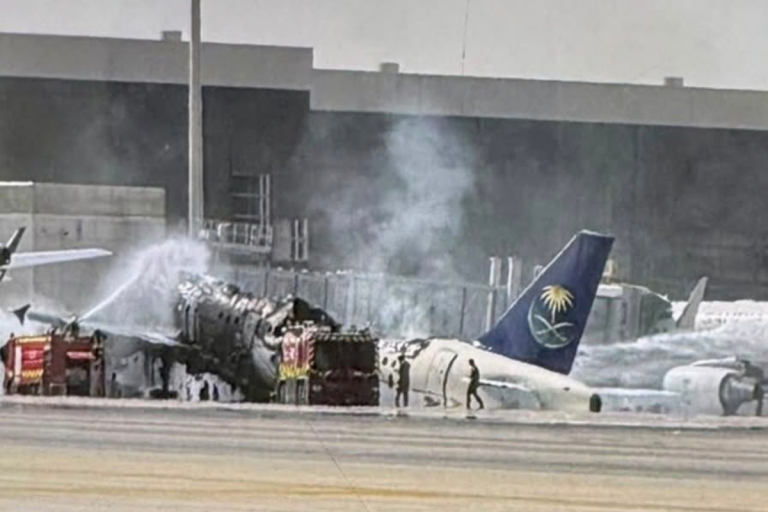
Operations at King Khalid International Airport were suspended after a series of missile and drone attacks attributed to Yemen’s Houthi movement.
The attacks reportedly caused multiple casualties and injuries, prompting Saudi authorities to suspend airport operations while safety assessments continued.
The situation has raised concerns about the safety of civil aviation in the region and forced airlines to revise their schedules. Other Saudi airports, including those serving Jeddah and Dammam, have also experienced cancellations and disruptions. (Associated Press; Aviation Week)
The closure does not automatically mean that every flight to Saudi Arabia has been cancelled. The status of each service depends on the airline, route and current operational restrictions.
Airlines Extend Flight Cancellations
Several international airlines have extended cancellations or adjusted their Saudi Arabia schedules.
According to travel industry reporting published on October 15:
- Etihad Airways has cancelled Abu Dhabi–Riyadh services through October 19.
- flydubai has extended cancellations affecting Riyadh, Dammam and Abha through October 19.
- Lufthansa Group has cancelled Riyadh services through October 16, according to the latest published travel update.
- Air France-KLM has suspended Riyadh services through the end of October.
- Philippine Airlines has extended its Riyadh suspension through November 29.
Other airlines have also adjusted services, and some flights to destinations outside Riyadh are beginning to appear on schedules again. A flight appearing in a booking system, however, does not guarantee that it will operate. (Travel Monitor, October 15)
Passengers should consult their airline’s latest travel advisory rather than rely on older announcements or third-party booking information.
What Nigerian Travellers Should Do
Nigerians with upcoming international trips should take the following precautions.
1. Confirm Your Flight Before Leaving Home
Check the airline’s official website or contact its customer service team before travelling to the airport. Confirm both the departure and return legs of your journey, particularly if you are booked to fly through Riyadh.
Do not assume your flight is operating simply because you have a confirmed ticket.
2. Contact Your Travel Agent
If you booked through a Nigerian travel agency, contact the agency to establish whether your itinerary has changed.
Ask for written confirmation of any revised departure time, rerouting, refund or rebooking arrangement. Travellers with separate tickets for connecting flights should also check whether changes to the first leg affect the rest of the journey.
3. Check Connecting Flights Carefully
Passengers travelling through Gulf hubs may be affected even when their final destination is not Saudi Arabia.
For example, a passenger travelling from Lagos to another international destination through a Gulf airport could face missed connections if one leg of the journey is cancelled or substantially delayed.
Ask the airline or travel agent to confirm whether your onward connection remains valid and whether any changes require additional payment.
4. Understand Your Refund and Rebooking Options
If your airline cancels your flight, ask what alternatives are available under its disruption policy and the applicable passenger-rights rules.
Depending on the ticket conditions and circumstances, options may include rebooking, a refund or rerouting. Do not assume every airline offers identical terms.
Before accepting an alternative itinerary, confirm the new departure date, transit requirements, baggage arrangements and any additional costs.
5. Review Transit and Entry Requirements
If your proposed alternative route involves another country, confirm that you meet its visa and transit requirements before accepting the change.
A route that looks convenient on a booking screen may not be suitable for a passenger who needs a transit visa or has a restricted passport or visa condition.
What About Umrah and Other Religious Travel?
The disruption is also relevant to Muslims travelling to Saudi Arabia for Umrah and other religious visits.
Pilgrims with confirmed bookings should contact their tour operators, airlines and accommodation providers to determine whether their travel dates or arrangements have changed.
Passengers should avoid making separate, non-refundable bookings to reach another airport without first confirming that the alternative route is operating and that the airline or tour operator can accommodate the change.
The current airport suspension is centred on Riyadh, but cancellations elsewhere in Saudi Arabia mean that travellers should verify their specific destination and itinerary rather than assume that every Saudi route is affected in the same way.
When Will Riyadh Airport Reopen?
As of October 15, the published suspension keeps King Khalid International Airport closed until 9:00 p.m. GMT on October 17.
That is the current stated deadline, not a confirmed reopening time. Authorities could extend the suspension if safety checks or security conditions require it.
Airlines may also maintain cancellations beyond the airport’s published closure period while they review operational risks and rebuild their schedules.
Travellers should therefore monitor official notices from the Saudi aviation authorities and their airlines before making decisions about departure dates.
What This Means for Nigeria’s Travel Industry
The disruption highlights the importance of proactive communication between airlines, travel agencies and passengers during international aviation emergencies.
For Nigerian travel operators, the immediate priorities are to identify affected bookings, notify customers promptly, explain available options and avoid promising departure dates that have not been confirmed by the operating airline.
The situation also demonstrates why travellers should provide accurate contact details when booking flights and monitor messages from their airline or travel agent.
For now, the most practical advice is simple: verify your itinerary before travelling, keep your booking documents accessible and wait for confirmed flight information before committing to an alternative route.
WeGoTalk Naija Blog will continue to monitor developments affecting Nigerian travellers and international aviation.