In this article
- Why FG Says Minimum Wage Review Must Wait Until 2027
- NLC Rejects FG’s Position, Demands Immediate Negotiations
- Labour Says ₦70,000 Minimum Wage No Longer Adequate
- NLC Demands Petrol Price Reduction, Tax Relief and Wage Awards
- Could the Dispute Lead to a Nationwide Strike?
- What the Minimum Wage Dispute Means for Nigerian Workers
The Federal Government and the Nigeria Labour Congress (NLC) have clashed over the timing of negotiations for a new national minimum wage, with organised labour demanding immediate talks while the government insists that the current ₦70,000 wage is not due for review until June 2027.
The disagreement has raised concerns over a possible escalation of industrial tensions as Nigerian workers continue to grapple with rising living costs, including the cost of food, transportation, housing, healthcare and education.
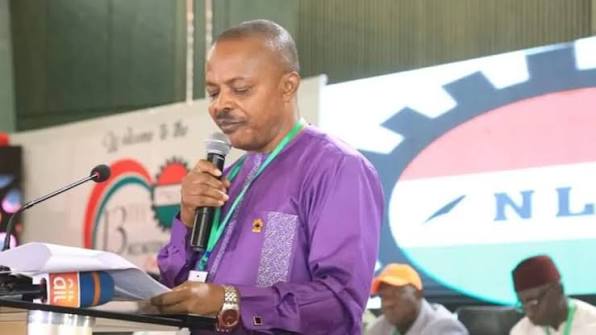
The dispute followed an exchange of letters between the Minister of Labour and Employment, Muhammad Dingyadi, and NLC President, Joe Ajaero, over the union’s demand for the immediate constitution of a National Minimum Wage Tripartite Committee.
In its latest position, the NLC argued that preparations for negotiations should begin immediately to allow sufficient time for discussions and prevent delays in implementing a new wage agreement.
However, the Federal Government maintained that an early review would be premature and inconsistent with the three-year review cycle provided under the National Minimum Wage Act, as amended in 2024.
The disagreement comes as organised labour presses for additional economic relief, including lower petrol prices, tax relief and wage awards to cushion the impact of the rising cost of living.
Why FG Says Minimum Wage Review Must Wait Until 2027
In a letter dated October 12, 2026, Dingyadi told the NLC that the existing national minimum wage of ₦70,000 would become due for review on June 1, 2027.
The minister explained that the National Minimum Wage Act, 2019, as amended by the National Minimum Wage (Amendment) Act, 2024, provides for a review every three years.
According to the government, beginning a fresh review barely two years after the implementation of the current wage would be premature, inconsistent with the law and potentially disruptive to industrial relations.
The government also pointed to the increase from ₦30,000 to ₦70,000 in 2024, describing it as an increase of more than 133 per cent following negotiations involving the government, organised labour and employers.
Dingyadi further cited existing government interventions, including the Presidential Compressed Natural Gas (CNG) Initiative, food security programmes and other social support measures intended to reduce the economic pressure on Nigerians.
He assured the labour movement that the government remained committed to dialogue and would convene the National Minimum Wage Tripartite Committee at the appropriate time.
The minister urged the NLC to maintain constructive engagement with the government in the interest of industrial peace and stability.
NLC Rejects FG’s Position, Demands Immediate Negotiations
The NLC, however, has rejected the government’s interpretation of the legal timetable, insisting that preparations for a new minimum wage should begin before the current arrangement expires.
In a letter dated October 13, 2026, Ajaero called for the immediate commencement of the negotiation process, including the invitation of nominations and inauguration of the tripartite committee.
The union argued that beginning preparations early would give the government, labour representatives and employers sufficient time to negotiate a new agreement without unnecessary delays.
According to the NLC, negotiations should commence by October 17, 2026, to allow adequate time for discussions ahead of the next wage implementation deadline.
The union stressed that it was not demanding the immediate implementation of a new minimum wage but wanted the administrative and negotiation processes to begin without further delay.
It also argued that postponing preparations could result in prolonged negotiations, delayed implementation and further hardship for workers.
The NLC maintained that the 2024 amendment to the minimum wage law did not eliminate the need to respect the original statutory framework governing wage reviews.
The disagreement therefore centres on the interpretation of the law and the appropriate time to begin preparations for the next national minimum wage agreement.
Labour Says ₦70,000 Minimum Wage No Longer Adequate
Beyond the legal disagreement, the NLC has expressed concern that the current minimum wage has lost much of its purchasing power because of inflation, the depreciation of the naira and rising prices of essential goods and services.
The union argued that although the minimum wage increased from ₦30,000 to ₦70,000 in 2024, the rise in living costs has continued to put pressure on workers and their families.
It said many workers are struggling to afford basic necessities, including food, transportation, rent, healthcare and education.
The NLC also questioned the effectiveness of the CNG initiative, arguing that infrastructure limitations and shortages of conversion equipment have restricted the programme’s ability to provide meaningful relief from rising transport costs.
The union maintained that government interventions must translate into tangible improvements in workers’ living conditions rather than remain policy announcements without measurable benefits.
It warned that continued delays in addressing workers’ concerns could deepen economic hardship and weaken confidence in ongoing engagement between labour and the government.
NLC Demands Petrol Price Reduction, Tax Relief and Wage Awards
The labour dispute extends beyond the timing of minimum wage negotiations, with the NLC demanding immediate measures to ease the financial burden on workers.
Among its demands is a reduction in petrol prices to the levels prevailing when the current minimum wage was signed into law in July 2024.
The union has also called for the implementation of tax relief measures agreed upon with the government in 2023 and the payment of wage awards to cushion the effects of rising living costs.
In addition, the NLC wants the government to implement outstanding settlement terms involving the Joint Health Sector Unions (JOHESU) and address demands raised by the Joint Public Sector Negotiating Council (JPSNC).
The congress argued that the current economic situation requires urgent intervention rather than a wait until the next minimum wage review becomes due.
It warned that further delays in implementing agreed measures could worsen workers’ hardship and increase the risk of industrial confrontation.
The NLC has indicated that failure to address its demands within the period specified in its ultimatum could lead to further action as determined by its relevant organs.
However, the latest reports do not establish that a nationwide strike has been formally declared over the minimum wage disagreement.
Could the Dispute Lead to a Nationwide Strike?
The disagreement has heightened concerns about a possible confrontation between organised labour and the Federal Government if both sides fail to reach a compromise.
The NLC has rejected the government’s response to its demands and continues to insist on immediate negotiations and economic relief for workers.
The government, meanwhile, maintains that the current wage should follow the statutory review timetable and has appealed for continued dialogue.
Whether the dispute escalates will depend partly on the outcome of further engagements, the government’s response to labour’s demands and decisions taken by the NLC as its ultimatum progresses.
For now, the central issue remains whether the government will agree to begin preparations for negotiations before June 2027 or maintain its position that the process should commence at the appropriate time under the law.
What the Minimum Wage Dispute Means for Nigerian Workers
The outcome of the disagreement could have significant implications for millions of Nigerian workers, particularly those whose earnings have struggled to keep pace with rising household expenses.
An early start to negotiations would not automatically guarantee an immediate increase in wages. However, it could give the parties more time to discuss workers’ demands, employers’ capacity to pay and the economic realities facing the country.
For the Federal Government, the challenge is to balance the legal framework for wage reviews with growing pressure to address the cost-of-living crisis.
For organised labour, the immediate priority is to secure a clear timetable for negotiations and obtain relief measures that can improve workers’ purchasing power.
As the disagreement continues, attention will focus on whether both sides can reach a compromise that addresses workers’ concerns while avoiding a wider industrial dispute.
The next major development will be whether the Federal Government agrees to establish the tripartite committee and whether the NLC considers the government’s response sufficient to prevent further escalation.