President Bola Ahmed Tinubu has declared that Nigeria has entered an “age of prosperity” after years of difficult economic reforms.
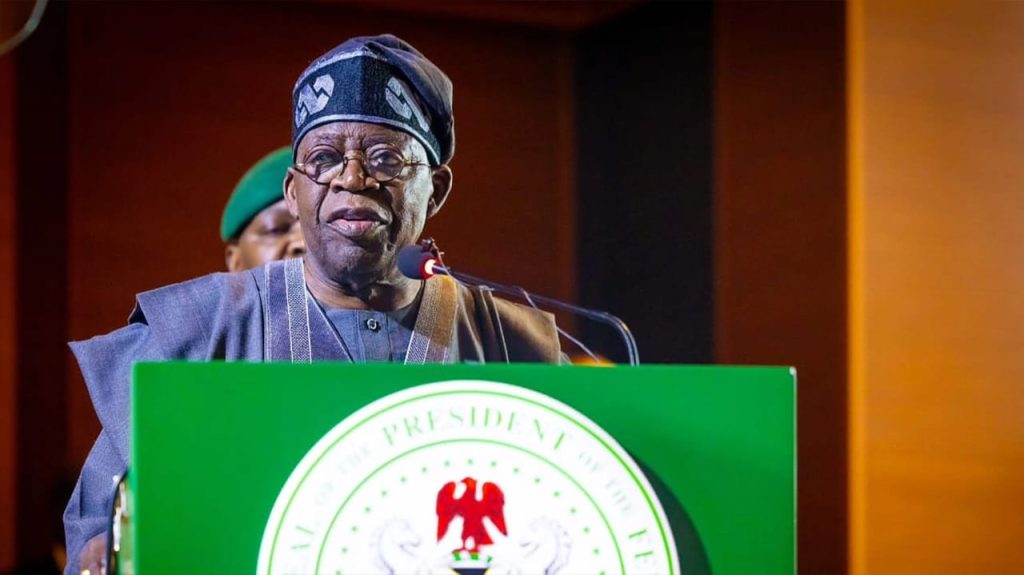
Tinubu made the declaration on Thursday, October 1, during his Independence Day address to mark Nigeria’s 66th anniversary.
The President said his administration had spent the past three years addressing deep-rooted economic problems. He argued that the country must now focus on improving living standards, creating jobs and expanding opportunities.
“The age of reform has done its work. Now begins the age of prosperity,” Tinubu said.
However, he acknowledged that millions of Nigerians still face economic hardship. He promised to make lower living costs, employment and industrial growth central to the next phase of his administration.
Tinubu Promises Lower Cost of Living
The President identified the cost of living as a major priority.
He said his government would work to reduce the cost of producing and transporting goods. According to him, lower production and distribution costs should eventually translate into cheaper goods for consumers.
Tinubu highlighted plans to expand mechanised farming, improve irrigation and increase access to seeds and fertiliser.
He also promised more investment in storage facilities, roads, railways and ports. The government hopes these projects will help farmers move produce to markets while reducing waste and transportation costs.
The President said affordable food and transportation must become part of the prosperity Nigerians experience in their daily lives.
President Defends Economic Reforms
Tinubu maintained that his administration’s reforms addressed longstanding weaknesses in the Nigerian economy.
He rejected calls to reverse the policies, particularly those involving fuel subsidies. He argued that returning to what he described as “addictive subsidies” would undermine the progress made so far.
The President also highlighted several economic indicators to support his position.
He said Nigeria’s economy grew by more than four per cent in 2026, with contributions from both the oil and non-oil sectors.
Tinubu further claimed that inflation had fallen substantially from its peak, foreign reserves had improved and the foreign exchange market had stabilised.
He also said Nigeria generated more than $6 billion in non-oil export revenue in 2025, which he described as a national record.
These figures formed part of the President’s defence of his economic policies. However, the benefits Nigerians experience will depend on how these developments translate into household purchasing power, jobs and business growth.
Tinubu Targets Jobs and Industrial Growth
The President said Nigeria must create more productive opportunities for its growing population.
He promised to place jobs, enterprise and industrial development at the centre of government policy.
Tinubu outlined plans to use Nigeria’s gas resources to power industries, revive factories and expand digital connectivity.
He also pledged to support businesses with infrastructure, financing and skills development.
The President said he wanted more Nigerian businesses to manufacture goods locally and sell them to international markets.
He also expressed support for young entrepreneurs building technology companies and creating jobs within the country.
Government Promises Support for Vulnerable Nigerians
Tinubu acknowledged that many households cannot wait for long-term economic growth to improve their circumstances.
He said some Nigerians still struggle to afford food, school fees, medical bills and transportation.
The President blamed these difficulties on years of low productivity, weak infrastructure and limited economic opportunities.
He promised to strengthen direct support for poor households and improve the National Social Register to ensure that assistance reaches people who need it.
Tinubu also highlighted the Nigerian Education Loan Fund, which provides financing for eligible students pursuing higher education.
He mentioned the Consumer Credit Corporation, known as CREDICORP, which helps eligible Nigerians access credit for essential purchases.
The President said his administration would continue to work with state and local governments to improve primary healthcare, basic education and other essential services.
He also said the government had paid salaries and pensions on time and in full since 2023.
Tinubu Says Nigeria Has Turned a Corner
The President described Nigeria as being at a turning point after years of economic difficulties.
He acknowledged that the country still faces significant challenges. However, he insisted that the government had laid the foundation for lasting prosperity.
Tinubu urged Nigerians to remain focused on the future rather than return to policies he believes contributed to the country’s economic problems.
He also called for collective effort, discipline and sustained economic growth.
“We cannot erase in four years what accumulated over generations. But we can change its course,” he said in his address.
Will Nigerians Feel the Promise of Prosperity?
Tinubu’s Independence Day message sets out a shift in emphasis from economic stabilisation to improved living standards.
His administration has promised lower production costs, more jobs, stronger industries and better support for vulnerable households.
The central question is how quickly these commitments will produce measurable improvements in Nigerians’ daily lives.
For many households, the impact will depend on food prices, transport fares, employment opportunities, purchasing power and access to essential services.
As Nigeria marks 66 years of independence, Tinubu has called on citizens to look ahead with renewed hope.
His government now faces the task of turning its promise of an “age of prosperity” into tangible benefits for Nigerians.