The Nigeria Customs Service (NCS) and the Economic and Financial Crimes Commission (EFCC) are seeking stronger cooperation to tackle money laundering and the financing of terrorism in Nigeria.
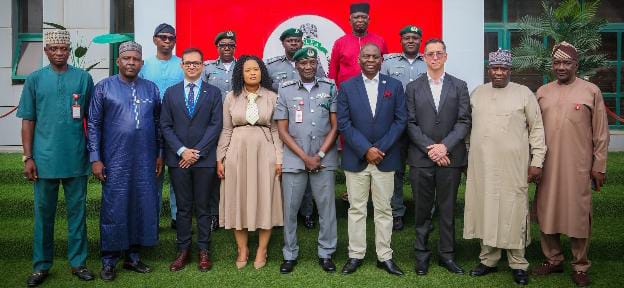
The move followed a meeting between a Customs delegation, supported by the World Customs Organization (WCO), and EFCC officials at the commission’s headquarters in Jabi, Abuja.
The engagement focused on improving intelligence sharing, reviewing operational challenges and strengthening Nigeria’s anti-money laundering and counter-terrorism financing framework.
Customs Calls for Better Intelligence Sharing
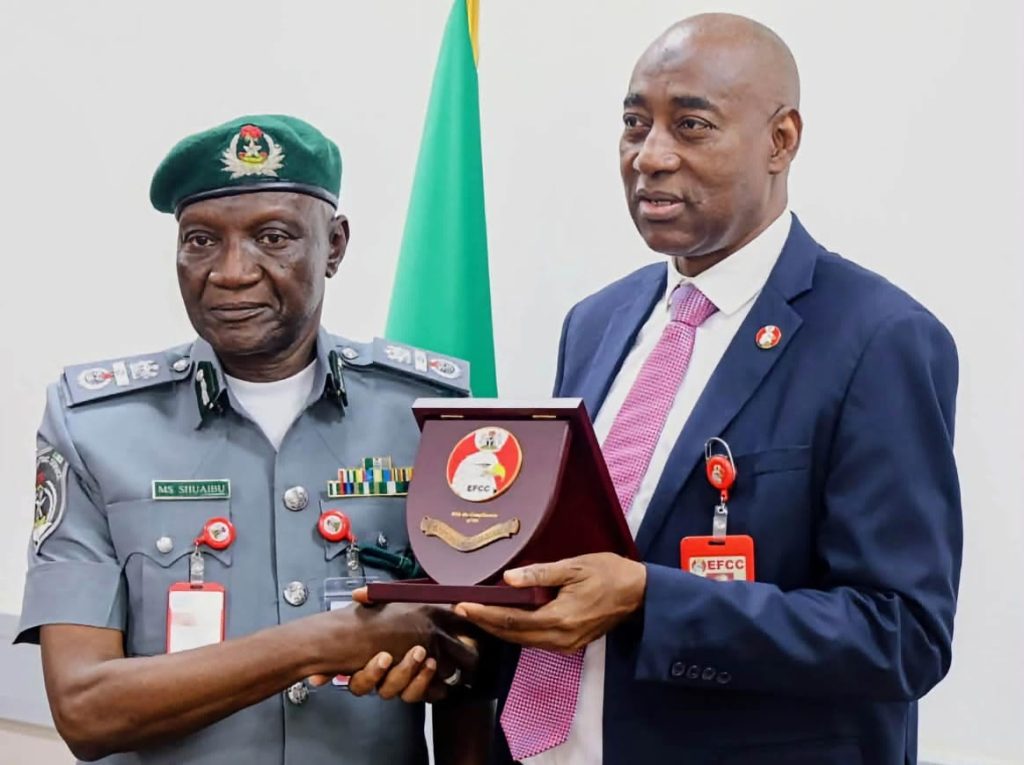
The delegation was led by Assistant Comptroller-General of Customs, Headquarters, M.S. Shuaibu.
During the visit, Shuaibu praised the EFCC for maintaining a longstanding working relationship with the Customs Service.
He called for closer coordination in investigations, intelligence exchange and the handling of financial crime cases.
Shuaibu said the meeting would help both agencies assess their existing cooperation, identify areas requiring improvement and adopt more effective approaches to tackling financial crimes.
He also highlighted the importance of aligning their operations with the WCO’s perspective and internationally recognised standards for combating illicit financial activities.
EFCC Pledges Continued Cooperation
EFCC Chairman Ola Olukoyede was represented at the meeting by the commission’s secretary, Mohammad Hammajoda.
Hammajoda acknowledged the history of cooperation between the EFCC and Customs, particularly in efforts to combat money laundering.
He assured the delegation that the commission remained committed to strengthening the relationship to address emerging financial crimes and threats linked to terrorism financing.
He also highlighted Nigeria’s previous placement on the Financial Action Task Force (FATF) grey list because of weaknesses in its anti-money laundering and counter-terrorism financing systems.
According to him, sustained reforms and cooperation among relevant agencies contributed to Nigeria’s removal from the list.
He said the development helped improve the country’s international reputation and eased some challenges associated with financial transactions abroad.
Hammajoda stressed that both agencies must continue working together to prevent the movement of illicit funds and stop resources from reaching terrorist groups.
WCO Partnership to Support Capacity Building
The EFCC also expressed readiness to expand cooperation with the WCO, particularly in staff training, intelligence exchange and operational coordination.
The renewed engagement is expected to improve collaboration among the agencies and strengthen efforts to detect suspicious financial activities.
Effective information sharing could also help investigators identify illicit financial flows and respond more quickly to money laundering and terrorism financing risks.
However, the impact of the partnership will depend on how effectively the agencies translate their commitments into coordinated investigations, timely intelligence exchange and stronger enforcement.
Source: Information provided in the report on the Customs–EFCC engagement.