
In this article
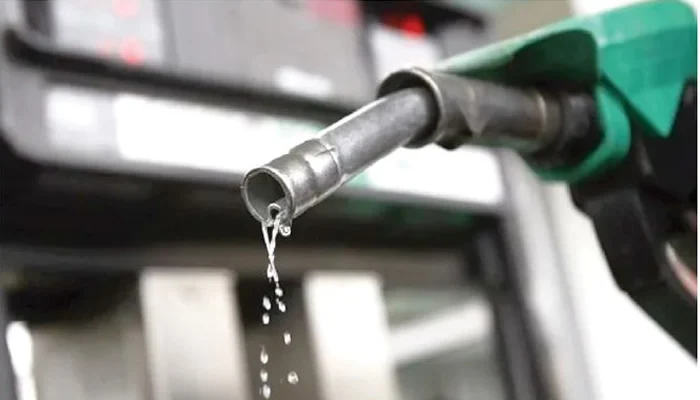
Nigeria is producing more crude oil, while the Dangote Refinery is operating at large scale. Yet petrol prices remain elevated across the country. So, why hasn’t higher crude production translated into cheaper fuel for Nigerians?
For many Nigerians, the question appears straightforward: If Nigeria is producing more crude oil and refining more petrol locally, why are motorists still paying around ₦1,400 to ₦1,500 per litre?
The answer is that Nigeria’s petrol price is influenced by far more than the volume of crude produced locally.
International oil prices, crude procurement costs, exchange rates, logistics, deregulation, refining economics and market conditions all play a role.
Nigeria’s crude production did increase in August 2026. Data from the Nigerian Upstream Regulatory Commission (NUPRC) showed average crude oil and condensate production of 1.678 million barrels per day, up 0.4 per cent from July. Crude oil production alone averaged 1.500 million barrels per day, meaning Nigeria met its OPEC quota for the fourth consecutive month.
Yet petrol prices have remained high.
Here’s why.
1. More crude production does not automatically mean cheaper petrol
This is perhaps the biggest misconception.
Nigeria producing more crude oil does not mean the crude is automatically converted into petrol and sold to Nigerians at a lower price.
Crude oil is a globally traded commodity.
The price at which crude is purchased by a refinery is influenced by international market conditions, supply contracts and other commercial factors.
The NMDPRA has explained that the cost of sourcing crude feedstock, the timing of procurement and logistics are among the factors influencing domestic petrol prices. The regulator has also said Nigeria’s downstream petroleum market is deregulated, meaning prices respond to market forces.
So, an increase in Nigeria’s crude output and a reduction in petrol prices are not automatically linked.
2. Global crude prices are still affecting Nigeria
This is one of the biggest reasons petrol remains expensive.
International crude prices surged above $100 per barrel during the recent Middle East supply disruptions.
Reuters reported that Nigerian petrol prices climbed to record levels even while the Dangote Refinery was operating at its full 700,000-barrel-per-day capacity, highlighting the limits of domestic refining in insulating Nigeria from international oil-market shocks.
That matters because the refinery still needs crude.
If the cost of its crude feedstock rises, the economics of producing petrol also change.
In other words:
Local refining removes some import-related costs, but it does not make Nigeria immune to global crude prices.
3. Dangote Refinery still buys crude at market prices
The fact that petrol is refined locally does not mean the crude is free or heavily subsidised.
Dangote Group President Aliko Dangote has said the refinery buys crude at prevailing market prices and sometimes pays significant premiums.
He argued that this makes it commercially difficult to sell petrol substantially below sustainable market levels.
This is a crucial part of the equation.
The refinery’s location in Nigeria eliminates some of the costs associated with importing finished petrol, but the cost of the crude itself remains a major component of the final product price.
4. Nigeria’s petrol market is deregulated
Another major change is the removal of the old petrol subsidy regime.
Under the current deregulated system, petrol prices are largely determined by market forces rather than a government-fixed nationwide price.
Minister of State for Petroleum Resources (Oil), Heineken Lokpobiri, recently reiterated that deregulation allows market forces to determine refined petroleum product prices.
This means that when the underlying cost of crude, refining, transportation or other inputs rises, the increase can be reflected in the price consumers eventually pay.
The same principle can work in reverse when costs fall.
But the reduction is not necessarily immediate.
5. Crude is purchased before it becomes petrol
There is also a timing issue.
The crude oil being processed today may have been purchased weeks or months earlier under commercial arrangements.
NMDPRA has previously explained that crude sourcing costs and the time lag between procurement and arrival at refineries can influence product pricing.
This helps explain why petrol prices don’t always move in perfect synchronisation with the daily international crude price.
For example, crude could fall today while a refinery is still processing crude purchased earlier at a higher price.
Similarly, a sudden rise in crude prices may take some time to feed through the supply chain.
6. Logistics and transportation add to the cost
Getting petrol from a refinery or import terminal to a filling station costs money.
Expenses can include:
- Marine transportation
- Storage
- Depot operations
- Trucking
- Distribution
- Security
- Handling
- Financing
- Retail operating costs
The NMDPRA has identified logistics and transportation costs among the factors contributing to petrol price volatility.
This becomes particularly important in states far away from major coastal refining and distribution centres.
A litre of petrol leaving a refinery at one price can therefore reach a consumer at a significantly higher retail price after transportation and other costs are added.
7. Petrol prices differ across Nigeria
Nigeria does not have one uniform pump price.
Recent reports showed petrol selling at different prices across major cities.
Reuters reported that pump prices had climbed significantly as global oil prices rose, while other reports found prices around ₦1,400–₦1,450 per litre in major markets and as high as ₦1,500 in some locations.
The difference reflects factors such as:
Location + transportation cost + retailer margin + supply conditions + local competition.
This is why the price a motorist sees in Lagos may not be the same price paid in Kano, Abuja, Sokoto or Maiduguri.
8. Why hasn’t Dangote’s huge production capacity solved the problem?
The Dangote Refinery represents a major change in Nigeria’s petroleum market.
It has reduced Nigeria’s dependence on imported refined products and is supplying substantial volumes to the domestic market.
But domestic refining does not mean domestic petrol must always be cheap.
Reuters reported that the refinery’s 700,000-barrel-per-day operation has not completely shielded Nigerian consumers from international oil-market shocks.
The refinery’s commercial costs still matter.
And competition, supply and distribution dynamics across the downstream market also influence what motorists eventually pay.
9. Fresh petrol import permits are still part of the market
Interestingly, domestic refining has not completely eliminated petrol imports.
The NMDPRA has approved six marketers to import a combined 830,000 metric tonnes of petrol in the fourth quarter of 2026, according to BusinessDay.
The approvals come even as Dangote Refinery continues to increase domestic supply.
This shows that Nigeria’s petrol market remains a mixture of domestic refining and imported supply.
Import parity therefore remains relevant to the market.
In fact, Punch reported that as of September 17, Dangote’s ₦1,350-per-litre gantry price was already below the estimated import-parity cost of about ₦1,364–₦1,365 per litre, while the seven-day average import-parity price was around ₦1,371.92.
That means domestic refining can actually be providing a price advantage compared with importing petrol — even though consumers may still consider the final pump price too high.
10. Why did Dangote recently raise and then cut its petrol price?
This is another useful example of how quickly market conditions can change.
Dangote Refinery increased its petrol gantry price by ₦85 per litre earlier in September, taking it to ₦1,350.
The increase followed a period of rising international crude prices.
But on September 21, the refinery announced a ₦25-per-litre reduction, bringing its gantry price to ₦1,325 per litre.
However, petrol stations do not necessarily reduce pump prices immediately.
They may still be selling existing stock purchased at the previous higher price, while transportation, storage and retail margins also affect the final price.
This explains why consumers can see a delay between a refinery price cut and a corresponding reduction at filling stations.
11. So, will increased crude production eventually reduce petrol prices?
It could help, but it is not enough on its own.
Higher domestic crude production can improve crude availability and reduce some supply constraints.
But for consumers to see sustained lower petrol prices, several things need to happen together.
Nigeria needs:
Higher and more stable crude production
Reliable crude supply to domestic refineries
Competitive refining
Lower international crude prices
Stable exchange rates
Efficient transportation and distribution
Greater competition among suppliers
Efficient retail operations
The more of these factors move in the right direction, the greater the possibility of sustained relief at the pump.
12. What does this mean for ordinary Nigerians?
For motorists, the immediate reality is that petrol prices remain a major cost-of-living issue.
Higher petrol prices affect much more than car owners.
They influence:
- Transport fares
- Food distribution
- Generator costs
- Logistics
- Small businesses
- Manufacturing
- Agricultural production
- Delivery services
- Household expenses
When transportation and energy costs rise, businesses can pass some of those costs to consumers through higher prices.
That means petrol price movements can contribute to broader inflationary pressure.
Recent increases have already triggered concern among labour unions, businesses and households.
The Big Question: When Will Petrol Become Cheaper?
There is no single date that can answer this.
The direction of petrol prices will depend on the interaction between international crude prices, domestic crude supply, refinery economics, the naira exchange rate, logistics and competition in the downstream market.
The latest developments provide one encouraging signal: Dangote has already reduced its petrol gantry price by ₦25 after the earlier increase. But the price reduction has not immediately translated into equivalent reductions at every filling station.
The bigger test will be whether lower input costs and increased domestic supply can be sustained long enough to bring down prices across the entire distribution chain.
Petrol Price Explained in One Minute
Nigeria produces more crude: Yes.
Nigeria is refining more petrol locally: Yes.
Does that automatically make petrol cheap? No.
Is Nigeria’s petrol market deregulated? Yes.
Do international crude prices still matter? Yes.
Do exchange rates matter? Yes.
Do logistics and transportation costs matter? Yes.
Does domestic refining reduce dependence on imports? Yes.
Can increased crude production eventually help prices? Potentially, especially if supply becomes more reliable and refining capacity and competition improve.
Bottom Line
Nigeria’s crude production is rising, but petrol prices are determined by the economics of the entire petroleum supply chain — not crude output alone.
Until the benefits of increased production, domestic refining, competition and improved distribution are consistently transmitted to the retail market, Nigerians may continue to see petrol prices respond sharply to global oil-market movements.