
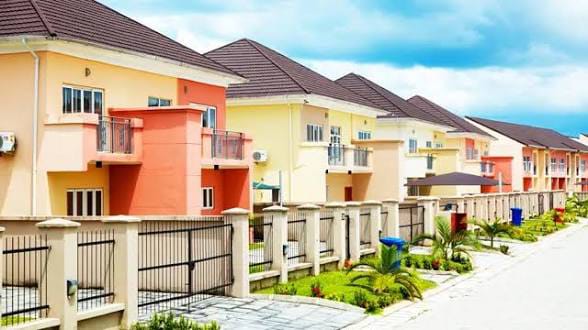
For millions of Nigerians, finding a decent place to live has become one of life’s biggest financial challenges. What was once a manageable annual expense has rapidly turned into a heavy burden, with rent prices climbing far beyond the reach of many households.
Across major cities including Lagos, Abuja, Port Harcourt, Ibadan and Enugu, tenants are struggling to cope with steep rent increases. Apartments that rented for less than ₦1 million just a few years ago are now being offered for two or three times that amount, even when little or nothing has been done to improve the properties.
The sharp rise in housing costs is occurring at a time when Nigerians are already battling high food prices, rising transport fares, electricity costs and general inflation. For many families, rent has become the single biggest expense, leaving little money for other necessities.
The challenge extends beyond the rent itself. Prospective tenants are often required to pay one or two years’ rent in advance, alongside agency fees, legal charges, caution deposits, service charges and other miscellaneous payments. By the time all these costs are added together, securing accommodation has become financially impossible for many workers.
Experts have repeatedly warned that Nigeria’s housing shortage continues to widen. With millions of homes still needed to meet existing demand and urban populations growing every year, competition for available housing has intensified. The result is a rental market that increasingly favours landlords while leaving tenants with very limited options.
Financial analysts generally advise that housing should consume no more than 30 per cent of a family’s income. In Nigeria today, however, many households spend well above half of their earnings on accommodation alone. Civil servants, teachers, healthcare workers, entrepreneurs and artisans are among those most affected.
The consequences are visible across society. Families cut spending on food, healthcare and education just to meet rent obligations. Some relocate to distant suburbs where accommodation is cheaper, only to face longer commuting hours, higher transportation costs and reduced quality of life. Parents are forced to change their children’s schools, while many young professionals delay marriage or continue living with relatives because they cannot afford independent housing.
The housing crisis is also taking a toll on businesses. As disposable income shrinks, consumer spending falls. Retailers, restaurants, transport operators and service providers all feel the impact when households dedicate most of their earnings to paying rent.
Several factors are driving the situation. Construction costs have risen significantly due to inflation, exchange rate volatility and higher prices for cement, steel and other building materials. Developers also contend with expensive land, multiple taxes, costly approvals and limited access to affordable financing.
Yet many observers argue that rising construction costs alone cannot justify the dramatic increases seen in older buildings that require little or no new investment. They believe speculative pricing, weak regulation and the severe shortage of available housing have allowed some landlords and agents to impose excessive charges on desperate tenants.
Beyond the financial burden lies an often-overlooked human cost. The constant fear of eviction, uncertainty over annual rent reviews and the pressure of raising large lump sums every year contribute to stress, anxiety and declining mental well-being. Housing insecurity has become not only an economic issue but also a social and public health concern.
While successive governments have announced affordable housing programmes and mortgage initiatives, implementation has remained slow and insufficient to bridge the enormous housing gap. Analysts say addressing the crisis requires more than promises.
Policy experts recommend reforms that simplify land acquisition, improve access to mortgage financing, reduce development costs, invest in infrastructure and encourage private-sector investment in affordable housing. They also call for stronger oversight of estate agency practices to curb exploitative fees and improve transparency in rental transactions.
Ultimately, access to decent housing should not be a privilege reserved for a few. Affordable shelter is essential to economic productivity, family stability and national development. Without meaningful reforms, millions of Nigerians may continue to sacrifice education, healthcare, savings and business opportunities simply to keep a roof over their heads.
As housing costs continue to outpace incomes, the country’s growing rent crisis is no longer just a landlord-tenant issue—it is becoming one of Nigeria’s most pressing economic and social challenges. Addressing it will require bold policies, effective implementation and sustained collaboration between government, developers and the private sector.
About the Author