
The African Organisation for Standardisation (ARSO) has unveiled plans to expand the coverage of African Harmonised Standards to 50 per cent of tariff lines under the African Continental Free Trade Area (AfCFTA), as part of efforts to deepen intra-African trade and reduce technical barriers across the continent.
The ambitious target was announced at the 17th ARSO Champions Meeting, held alongside the opening of the organisation’s 32nd General Assembly in Mombasa, Kenya.
Participants at the meeting focused on the growing importance of standardisation in supporting the implementation of AfCFTA and making it easier for businesses to trade goods across African borders.
Currently, African Harmonised Standards cover more than 25 per cent of tariff lines under the continental trade agreement. ARSO is now seeking to double that coverage to 50 per cent.
The initiative is expected to provide manufacturers, exporters and businesses with common quality and technical standards across a wider range of products traded within Africa.
ARSO Pushes ‘One Certificate’ Vision
A key aspect of the proposed framework is the wider adoption of the ARSO Quality Mark under its “One Certificate” vision.
The initiative seeks to allow manufacturers and exporters to test and certify their products once, with such certification recognised across participating AfCFTA markets.
ARSO believes the system could significantly reduce Technical Barriers to Trade (TBTs), which often force businesses to undergo multiple certification processes when entering different African markets.
These requirements can increase compliance costs and create additional obstacles, particularly for businesses seeking to expand beyond their home countries.
Small and medium-sized enterprises are expected to benefit significantly from the harmonisation of standards, as they often face greater financial and administrative challenges in meeting different technical requirements across multiple jurisdictions.
Boost for African Manufacturers
For African manufacturers, the expansion of harmonised standards could make it easier for locally produced goods to move across borders and compete within Africa’s emerging single market.
By establishing common benchmarks for product quality and conformity, ARSO hopes to strengthen confidence in African-made products while improving market access for businesses across the continent.
The discussions at the 17th ARSO Champions Meeting are expected to contribute to a broader policy roadmap aimed at positioning standardisation as a critical tool for advancing intra-African trade and supporting the full implementation of AfCFTA.
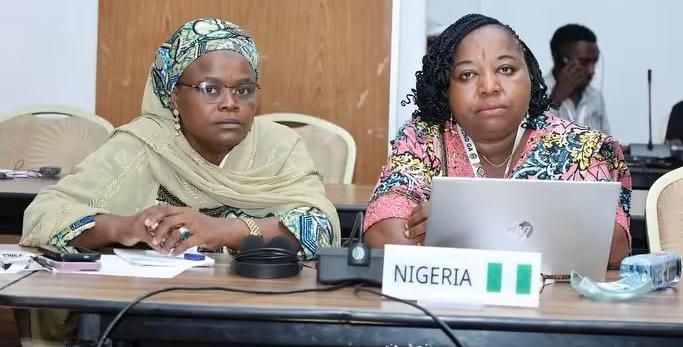
Representatives of national standards bodies and other stakeholders participating in the discussions include the Kenya Bureau of Standards (KEBS), Standards Organisation of Nigeria (SON), Zambia Bureau of Standards (ZABS), Rwanda Standards Board and the Namibian Standards Institution (NSI).
The push for wider harmonisation reflects growing efforts by African institutions to address non-tariff barriers that continue to hinder trade within the continent, despite the opportunities created by the AfCFTA agreement.
With the proposed expansion from 25 per cent to 50 per cent of tariff lines, ARSO is seeking to make standardisation a stronger driver of cross-border commerce, lower compliance costs and greater economic integration across Africa.
About the Author