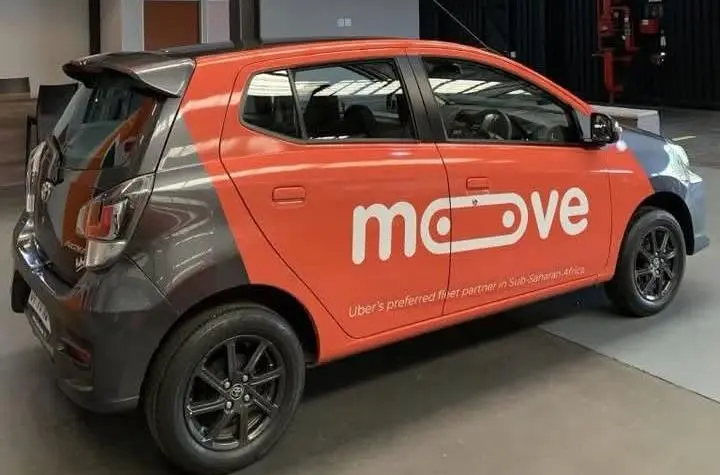
Moove is exiting Nigeria after six years, offering eligible customers full ownership of vehicles worth about ₦35 billion as the company winds down its operations.
Moove, the mobility financing company founded in Lagos, has announced plans to end its operations in Nigeria and transfer ownership of eligible vehicles worth approximately ₦35 billion to existing customers.
The company disclosed the decision on Thursday, October 8, 2026, bringing its six-year Nigerian journey to an end. Under its Thank You Nigeria initiative, eligible customers will take full ownership of the vehicles they currently operate without making further vehicle payments to Moove from October 1, 2026.
However, customers must settle outstanding remittances accrued before that date and complete the required ownership-transfer documentation.
The announcement comes barely a month after Uber announced its withdrawal from Nigeria, raising fresh questions about the future of the country’s ride-hailing and vehicle-financing sectors.
Why Moove Is Leaving Nigeria
Moove’s co-founder and co-CEO, Ladi Delano, told BusinessDay that Uber’s departure significantly affected the company’s Nigerian business model.
According to Delano, Uber served as the principal platform supporting Moove’s operations at scale in Nigeria. After assessing its options and the economics of continuing, the company concluded that it could no longer sustain its Nigerian operating model.
Moove’s exit therefore highlights the risks facing mobility businesses that depend heavily on a particular ride-hailing platform to generate demand for financed vehicles.
The company has not described the closure as a complete withdrawal from global markets. Instead, it says it will continue pursuing international growth while concluding its Nigerian operations.
Customers to Receive Vehicles Worth ₦35 Billion
Moove said the ownership-transfer initiative recognises the contributions of customers who helped build its business from its earliest days.
Founded in Lagos in 2020 by Ladi Delano and Jide Odunsi, the company initially operated 76 vehicles. It developed a rental and drive-to-own model to help mobility entrepreneurs access vehicles and earn income despite difficulties obtaining conventional vehicle financing.
According to the company, more than 9,000 customers have used its drive-to-own and rental products in Nigeria. Drivers using Moove-financed vehicles generated approximately ₦57 billion in revenue during the company’s Nigerian journey.
The company estimates that the vehicles being transferred to eligible customers are worth about ₦35 billion.
Moove has also announced that it will give its Nigerian team members vehicles free of charge in recognition of their service.
What Moove’s Exit Means for Customers
For eligible customers, the transfer could provide a significant financial benefit. Drivers who no longer need to make future scheduled vehicle payments to Moove may retain more of their earnings and continue operating their vehicles independently.
However, vehicle ownership does not eliminate other operating expenses. Drivers will still need to pay for fuel, maintenance, insurance and other costs associated with running a vehicle.
Customers should also confirm their eligibility, outstanding account balances and transfer requirements directly with Moove. The company says it will work with affected customers and employees to explain individual arrangements and complete the transition.
The distinction between waived future payments and outstanding earlier obligations is particularly important. Customers should not assume that all existing debts or other contractual obligations have automatically disappeared.
A New Challenge for Nigeria’s Ride-Hailing Industry
Moove’s departure follows Uber’s exit from Nigeria, creating another major change for drivers and businesses connected to app-based transportation.
The two companies have an investment relationship, and Uber was central to Moove’s Nigerian operating model. However, Moove’s explanation identifies Uber’s departure as a major factor in its decision; it does not establish that this was the only consideration behind the closure.
The developments raise broader questions about the sustainability of vehicle-financing businesses in Nigeria, where operators must balance vehicle costs, fuel prices, maintenance, driver earnings and the commissions or charges associated with ride-hailing platforms.
For drivers who financed vehicles through Moove, the immediate priority will be completing the ownership transfer and identifying viable ways to keep earning from their cars.
The changes may also increase the importance of having access to multiple ride-hailing platforms and independent sources of transport demand rather than relying on a single company.
What Happens Next?
Moove says it will work directly with affected customers and employees as it winds down its Nigerian operations. The company has not indicated that the vehicle transfer means its Nigerian services will continue under the same arrangements.
For eligible customers, the next steps are to confirm their account status, settle any outstanding remittances accrued before October 1, 2026, and complete the paperwork required to establish full vehicle ownership.
The longer-term impact will depend on how successfully drivers adapt to the changing ride-hailing market and whether alternative platforms can provide enough demand to sustain their businesses.
Moove’s exit marks the end of a chapter for a company that began in Lagos and expanded into a global mobility business. Its decision to transfer vehicles to customers offers some financial relief to those affected, but it also exposes the challenges of building a sustainable mobility business in a market heavily dependent on digital platforms.