In this article
- Tinubu Acknowledges the Cost of the Reforms
- What Does “From Reform to Prosperity” Mean?
- Government Wants Civil Society at the Table
- Four Commitments Announced
- 1. Quarterly Government-CSO Policy Dialogue
- 2. More Civic Space for Social Accountability
- 3. Civil Society and the Sustainable Development Goals
- 4. National Cohesion and Peace
- CSOs Given a Role Ahead of 2027 Elections
- Tinubu Calls for a CSO Code of Conduct
- Four Areas the Government Wants to Prioritise
- Why the Summit Matters
- What Nigerians Will Be Watching
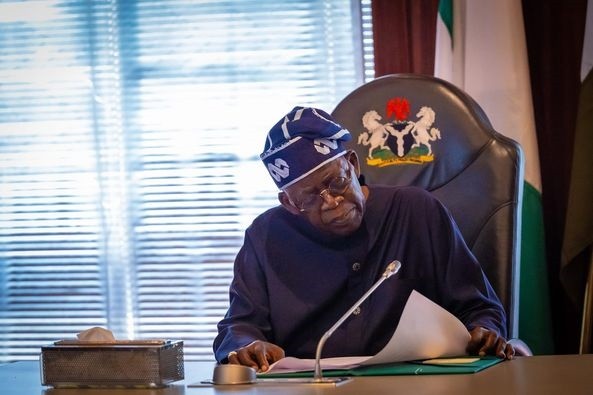
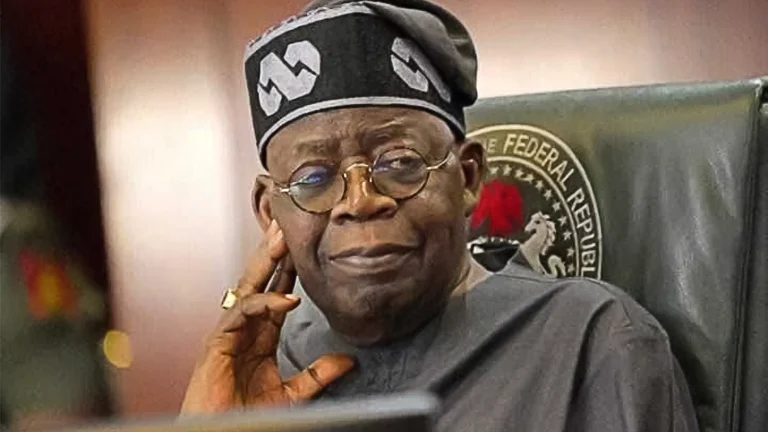
President Bola Ahmed Tinubu says Nigeria is moving from a period of difficult economic reforms towards shared prosperity, while promising stronger cooperation with civil society organisations on governance, accountability and national development.
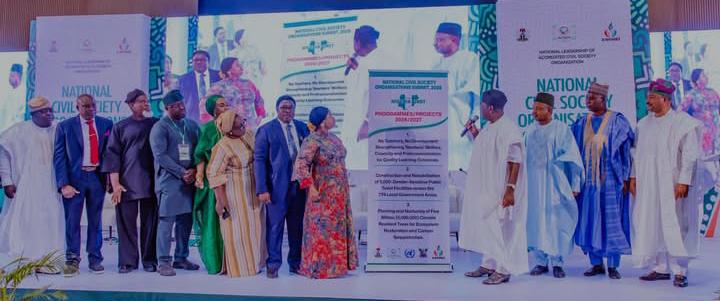
Tinubu made the declaration while addressing the 2026 National Civil Society Organisations Summit in Abuja, held under the theme “Nigeria First and National Development.”
The President was represented at the summit by the Secretary to the Government of the Federation, Senator George Akume.
The declaration comes more than three years after Tinubu’s administration introduced major economic reforms in 2023, including the removal of the petrol subsidy and changes to the foreign-exchange system.
While acknowledging the hardship associated with those measures, Tinubu argued that the reforms were necessary to stabilise the economy and reduce what he described as wasteful policy regimes.
“Four years down the line, we wish to modestly assure Nigerians that Nigeria is moving from reform to prosperity.”
The statement is now putting greater attention on the next phase of the administration’s economic and governance agenda.
Tinubu Acknowledges the Cost of the Reforms
Tinubu acknowledged that Nigerians have experienced difficulties since the introduction of his administration’s economic reforms.
The reforms triggered significant increases in the cost of fuel, transportation, food and other essential goods.
The President, however, argued that the measures were necessary to address structural problems in the economy.
According to him, the government is beginning to see benefits from the reforms and is now shifting its attention towards ensuring that economic growth produces wider social benefits.
The administration says this next phase will focus on public trust, institutional accountability and social inclusion.
What Does “From Reform to Prosperity” Mean?
The President’s statement signals a shift in the government’s messaging.
The initial phase of the Renewed Hope Agenda focused heavily on economic stabilisation and reforms.
The next phase, according to Tinubu, will focus more strongly on translating those reforms into improvements that Nigerians can feel in their daily lives.
That includes creating opportunities for employment and enterprise, improving human capital, strengthening governance and addressing poverty.
However, the extent to which Nigerians experience those benefits will depend on implementation and the broader performance of the economy.
Government Wants Civil Society at the Table
Tinubu also used the summit to outline a new approach to government-civil society relations.
He described civil society organisations as important partners in democratic development and said they have played a role in representing vulnerable communities, advocating for human rights and connecting government policies with realities at the grassroots.
The President pointed to Nigeria’s participation in initiatives such as the Extractive Industries Transparency Initiative (EITI) and the Open Government Partnership (OGP) as examples of government and civil society working together.
He said the government now wants to institutionalise that relationship.
Four Commitments Announced
Tinubu announced four broad areas of government action aimed at strengthening cooperation with civil society organisations.
1. Quarterly Government-CSO Policy Dialogue
The President directed the SGF to establish a Quarterly Government-Civil Society Policy Dialogue Forum.
The proposed platform will allow civil society organisations to contribute evidence, community perspectives and recommendations to government policy.
The forum is expected to cover policy formulation, implementation and evaluation.
2. More Civic Space for Social Accountability
The government also plans to work with accredited civil society organisations to strengthen public accountability.
Areas identified include public finance transparency, budget tracking and monitoring of humanitarian interventions.
If effectively implemented, the initiative could give civil society groups a more formal role in monitoring how public resources are used.
3. Civil Society and the Sustainable Development Goals
Tinubu said the government would work with the United Nations system, development partners and the private sectorto position civil society organisations as key partners in implementing the Sustainable Development Goals at the local level.
The proposed programme will focus on capacity building and access to technical and financial resources.
Priority areas include:
- poverty reduction;
- youth and women empowerment;
- healthcare;
- education;
- climate resilience; and
- peacebuilding.
4. National Cohesion and Peace
The government also wants civil society organisations to play a greater role in promoting national cohesion and sustaining peace.
Tinubu urged CSOs to support interfaith dialogue, inclusive governance and efforts to counter misinformation.
He described civil society as a potential stabilising force in Nigeria’s democratic system.
CSOs Given a Role Ahead of 2027 Elections
The 2027 general elections also featured prominently in the President’s message.
Tinubu urged civil society organisations to educate voters, monitor elections and advocate for electoral reforms.
He also called for cooperation among CSOs, law enforcement agencies, the judiciary and the media to support credible elections.
The President said Nigerians must remain vigilant and resist misinformation.
For civil society organisations, the coming election cycle could therefore become an important test of their ability to monitor political processes while maintaining public trust and independence.
Tinubu Calls for a CSO Code of Conduct
The President also challenged civil society organisations to examine their own practices.
He called on CSOs to develop a collective code of conduct to strengthen ethics, professionalism and public-interest advocacy.
Tinubu said some past actions by actors within the civic space had strained relations between government and civil society.
At the same time, he reaffirmed the administration’s stated commitment to freedom of expression, association, assembly and press freedom.
He urged CSOs to match their advocacy with professionalism and accountability.
Four Areas the Government Wants to Prioritise
Tinubu also restated four areas of alignment previously announced at the Southern Civil Society Summit in Lagos on July 9, 2026.
They are:
- Food security
- Poverty reduction through jobs and enterprise
- Improved governance
- Human capital development
These areas broadly connect the administration’s economic reform agenda with its stated goal of delivering wider social benefits.
Why the Summit Matters
The significance of the summit goes beyond another government meeting with civil society organisations.
Nigeria’s economic reforms have generated strong debate over their social impact, while the government continues to argue that stabilisation is necessary for long-term growth.
Bringing CSOs into policy discussions could provide government with another channel for understanding how policies affect communities.
For civil society, however, the effectiveness of the new partnership will depend on whether consultation leads to measurable changes in policy and implementation.
A quarterly dialogue forum, for example, could become meaningful if government agencies genuinely consider the evidence and recommendations presented by participating organisations.
What Nigerians Will Be Watching
The biggest question now is whether the administration’s promise of a transition from reform to prosperity will translate into tangible improvements in people’s lives.
Nigerians will likely watch developments in areas such as food prices, employment, household incomes, healthcare, education, public services and access to economic opportunities.
The government’s new engagement with civil society will also face scrutiny.
The success of the proposed partnership will depend not only on meetings but on whether citizens can see stronger accountability, more transparent public spending and better policy outcomes.
For now, Tinubu has presented the next phase of his administration as a move from economic reform towards broader prosperity and inclusion.
The challenge will be turning that promise into results.