

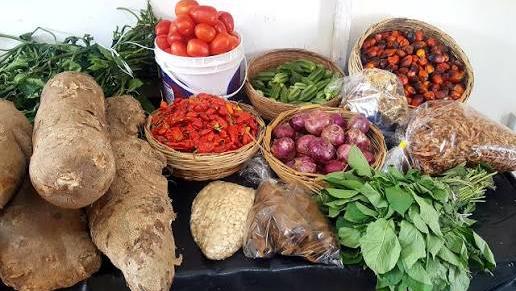
A leading food safety expert, Garuba, has identified poor awareness among farmers as one of the biggest obstacles to achieving safe food production in Nigeria, warning that ignorance of modern agricultural practices continues to expose millions of consumers to health risks.
Speaking at a food safety awareness programme, Garuba said many farmers lack adequate knowledge of the proper use of pesticides, herbicides, fertilizers, and post-harvest handling techniques, leading to unsafe food entering Nigerian markets. He stressed that improving farmers’ knowledge is critical to reducing food contamination and protecting public health. (Springer Nature Link)
According to him, food safety should begin at the farm level, noting that unsafe farming practices often have long-term consequences throughout the food supply chain.
Unsafe Farming Practices Raise Health Concerns
Garuba explained that the indiscriminate use of agrochemicals, poor storage methods, and failure to observe recommended waiting periods before harvesting crops remain major contributors to food safety challenges in the country.
He urged farmers to embrace regular training and adopt globally accepted agricultural practices to ensure food products meet safety standards before reaching consumers. (Springer Nature Link)
Calls for More Farmer Education
The food safety advocate called on government agencies, agricultural institutions, and development partners to intensify awareness campaigns targeted at rural farmers.
He argued that investing in farmer education would not only improve food quality but also increase consumer confidence, boost agricultural exports, and reduce the burden of foodborne diseases in Nigeria.
Garuba also emphasized the need for stronger collaboration between farmers, regulators, extension workers, and food processors to promote safer food production across the country.
Experts Demand Stronger Food Safety Enforcement
His remarks come amid growing concerns over food contamination and adulteration in Nigeria. Experts have repeatedly warned that weak enforcement of food safety regulations, coupled with poor hygiene practices and limited awareness, continues to threaten public health. (Businessday NG)
Recent studies have also identified inadequate infrastructure, inconsistent regulatory enforcement, and low awareness among farmers and food handlers as major factors driving food safety challenges in Nigeria. (Springer Nature Link)
Stakeholders believe that improving farmers’ knowledge and strengthening food safety standards across the agricultural value chain will play a vital role in ensuring safer food, improving public health outcomes, and enhancing Nigeria’s competitiveness in regional and international agricultural markets.
About the Author